Description
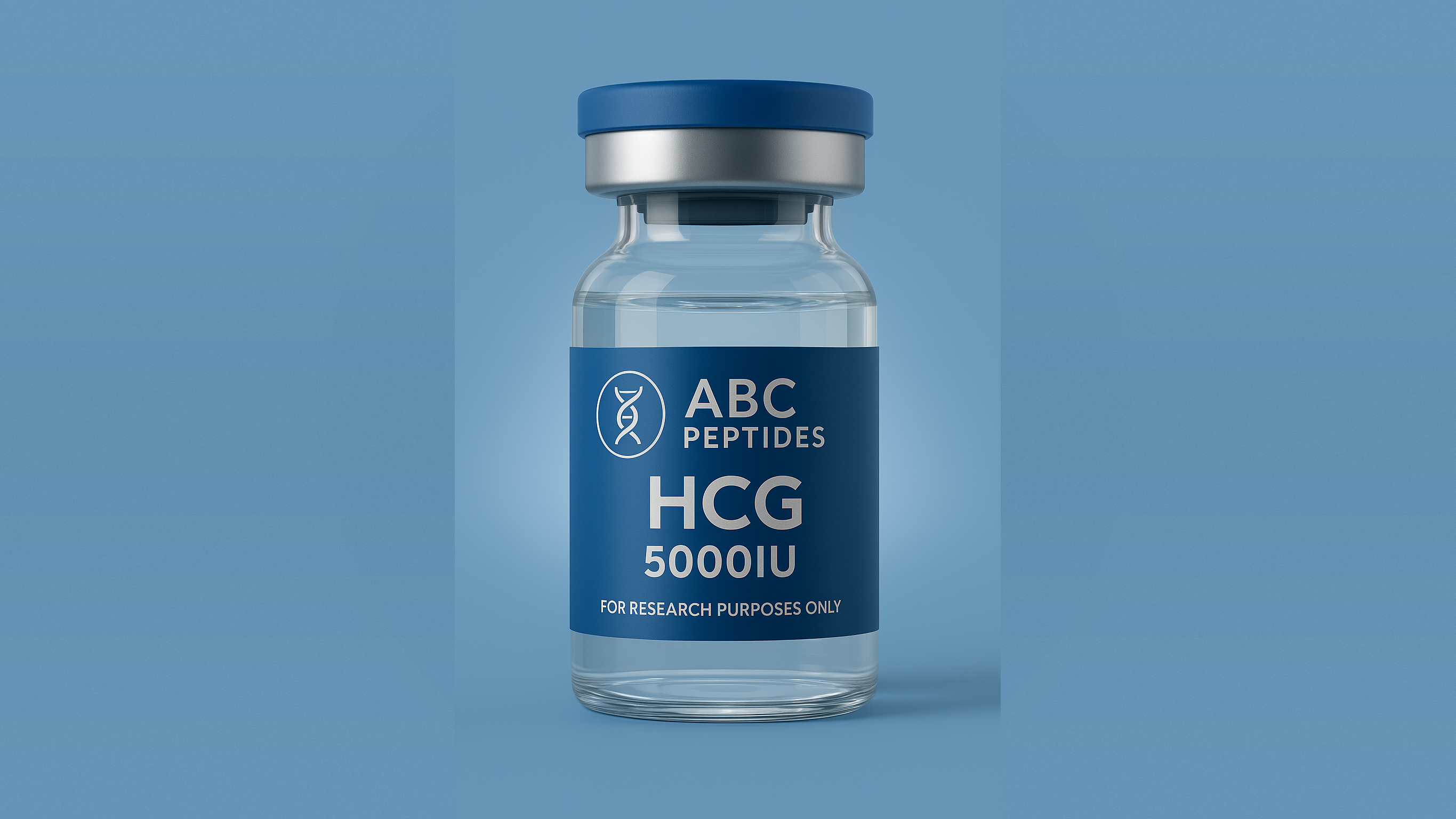
hCG (Human Chorionic Gonadotropin) — Research Use Only
hCG (Human Chorionic Gonadotropin) is a glycoprotein hormone used in research settings to study LH receptor (LHCGR) signaling, gonadal steroidogenesis pathways, and broader endocrine feedback mechanisms. In laboratory and analytical models, hCG is commonly employed as a tool to evaluate cell signaling cascades involved in reproductive hormone pathways, including downstream biomarkers tied to testicular/ovarian function and steroid hormone production (model-dependent).
Research Applications & Study Interest
hCG is frequently utilized in controlled research environments to investigate:
-
LH receptor activation models: receptor binding, signaling kinetics, and downstream pathway mapping
-
Steroidogenesis research: experimental readouts associated with steroid hormone production pathways (model-dependent)
-
Gonadal cell studies: Leydig/granulosa cell signaling, cellular response assays, and endocrine marker tracking
-
Endocrine feedback loops: exploring how LH-like signaling integrates into hormonal regulation models
-
Assay and calibration use-cases: hormone detection methods, immunoassays, and analytical reference contexts (protocol-dependent)
Mechanism of Research Interest (High-Level)
hCG is studied for its ability to interact with the LH/CG receptor, making it useful for examining:
-
Receptor-mediated signaling cascades (e.g., cAMP-related pathways in certain models)
-
Gene/protein expression changes tied to endocrine signaling
-
Downstream metabolic and biosynthetic markers associated with steroid hormone pathways
Outcomes depend heavily on model type, assay selection, preparation, and experimental controls.
Typical Research Formats
-
Often provided as a lyophilized preparation for controlled laboratory handling
-
Researchers may confirm identity and activity using protocol-appropriate analytical methods (e.g., immunoassays, bioassays, or chromatography depending on intended use)
Reviews
There are no reviews yet.