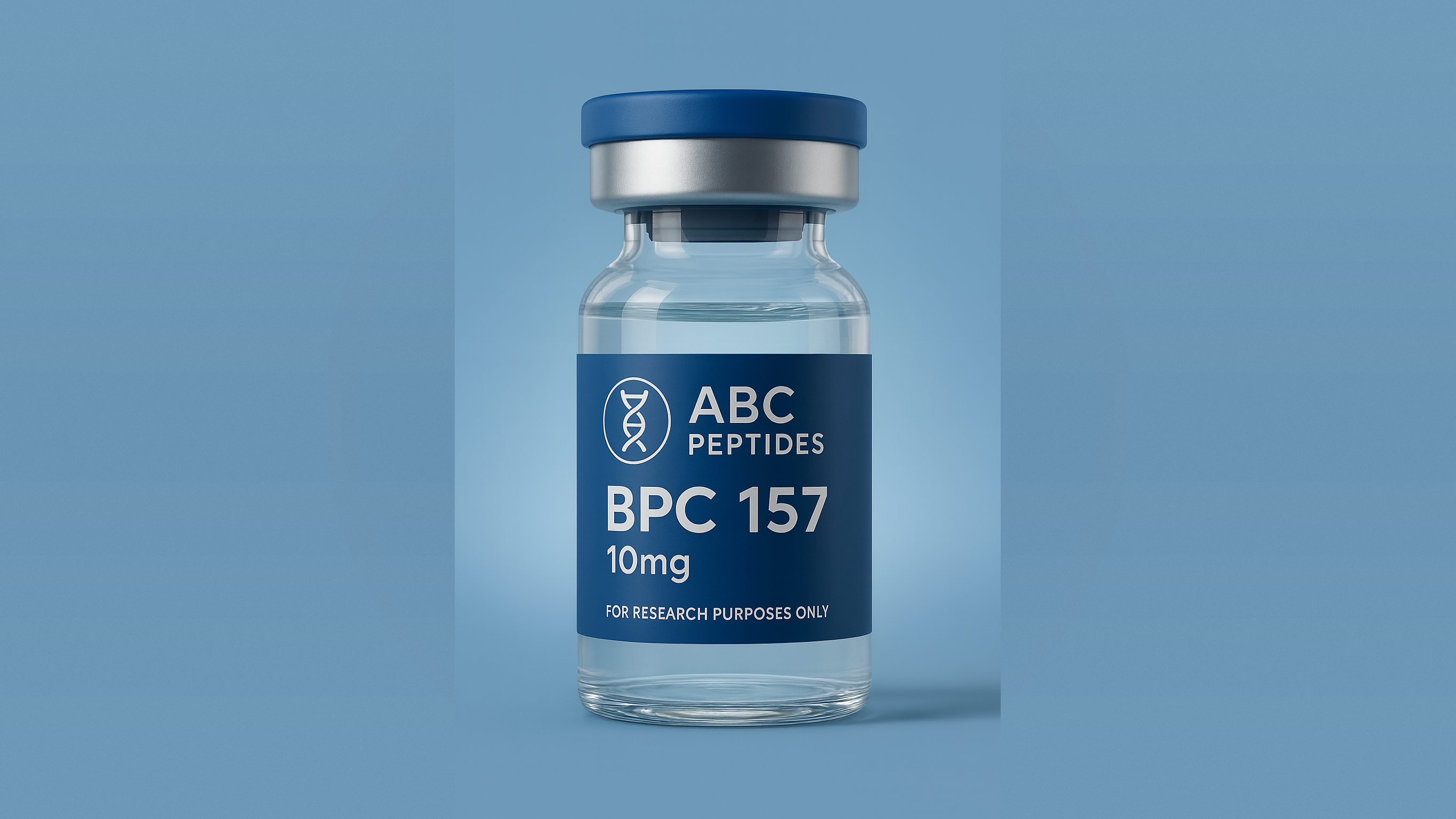
Description
BPC-157 (Research Use Only)
BPC-157 (Body Protection Compound-157) is a synthetic research peptide widely used in laboratory settings to investigate tissue repair signaling, gastrointestinal pathway activity, and inflammation-associated biomarkers. It is commonly included in experimental designs focused on cell protection, soft tissue biology, and recovery-related molecular pathways across a range of in vitro and preclinical models.
Research Applications & Study Interest
BPC-157 is frequently studied in controlled research environments for its potential involvement in:
-
Tissue repair signaling: biomarker and pathway responses associated with recovery and remodeling
-
Soft tissue research models: tendon/ligament, muscle, and connective tissue pathway studies (model-dependent)
-
Gastrointestinal research: gut mucosal signaling, barrier-related markers, and cytoprotective pathways
-
Inflammation pathways: experimental readouts tied to inflammatory signaling and stress response markers
-
Angiogenesis-related signaling: pathway mapping involving endothelial behavior and vascular-support biomarkers (model-dependent)
-
Cell survival and protection assays: evaluating how cells respond to induced stressors under controlled conditions
Mechanism of Research Interest (High-Level)
BPC-157 is used as a tool peptide for exploring complex biological signaling networks. In research contexts, it may be evaluated for how it influences:
-
Cytoprotective signaling
-
Repair and remodeling markers
-
Inflammation-related pathways
-
GI-associated signaling models
Outcomes vary based on the model, dosing strategy, handling, and the specific assays used.
Typical Research Formats
-
Commonly supplied as a lyophilized powder for precise laboratory preparation
-
Researchers may validate identity/purity via HPLC/LC-MS depending on protocol requirements
Reviews
There are no reviews yet.