Description
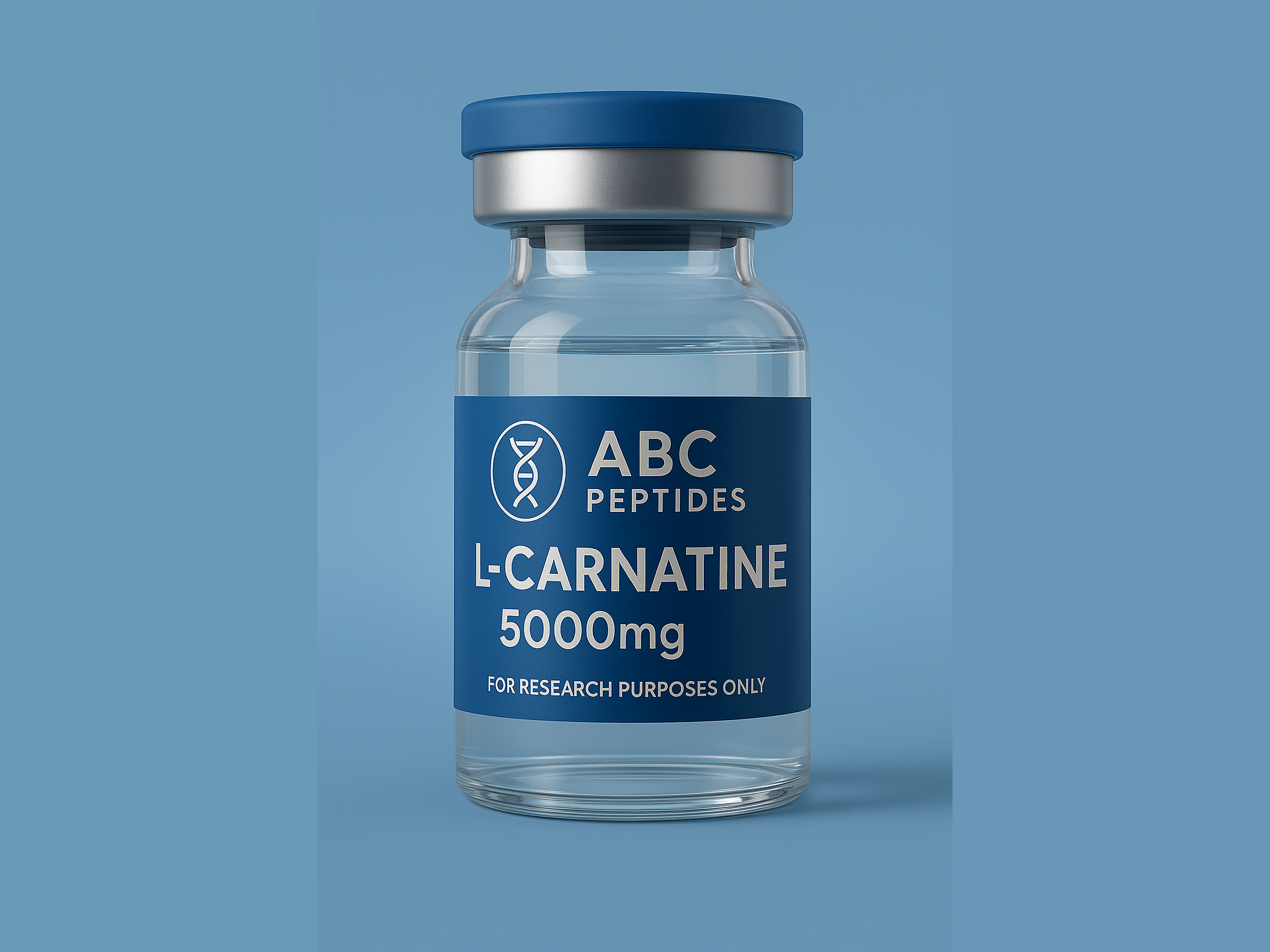
L-Carnitine (Research Use Only)
L-Carnitine is a naturally occurring quaternary amine widely used in research to study fatty-acid transport, mitochondrial energy metabolism, and cellular bioenergetics. In laboratory settings, it’s commonly employed as a tool compound to investigate how cells regulate lipid utilization, energy production, and metabolic stress responses across a variety of experimental models.
Research Applications & Study Interest
L-Carnitine is frequently used in in vitro and preclinical research contexts to evaluate:
-
Mitochondrial bioenergetics: effects on cellular energy output markers and metabolic efficiency (model-dependent)
-
Fatty-acid oxidation pathways: investigating biochemical readouts associated with lipid transport and β-oxidation
-
Metabolic stress models: studying cellular responses under high-fat, oxidative, or energy-demand conditions
-
Insulin signaling and glucose–lipid balance models: exploring changes in biomarkers linked to metabolic flexibility (model-dependent)
-
Exercise physiology research models: mitochondrial function, substrate utilization, and fatigue-related markers (assay-dependent)
Mechanism of Research Interest (High-Level)
L-Carnitine is studied primarily for its role in shuttling long-chain fatty acids into mitochondria via the carnitine shuttle (including CPT-related transport steps). This makes it a commonly used research tool for exploring:
-
Fatty-acid transport and utilization
-
Mitochondrial function and energy regulation
-
Acylcarnitine profiling and metabolic pathway mapping (protocol-dependent)
Observed outcomes vary based on the experimental model, baseline metabolic state, and the assays used.
Typical Research Formats
-
Often supplied as a powder or solution depending on lab workflow
-
Researchers may confirm identity/purity using standard analytical methods such as HPLC/LC-MS based on protocol needs
Reviews
There are no reviews yet.